What to Expect
Your first appointment may last up to two hours. During this session I take a full medical history and carry out a physical examination where appropriate. Traditional acupuncture also uses pulse and tongue diagnosis to understand the state of your health.
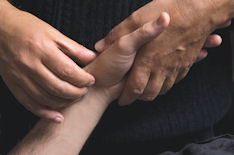
Follow‑up treatments last between 45 minutes and an hour.
Treatment
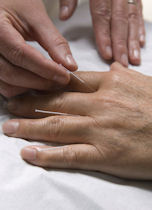
Acupuncture involves the insertion of very fine, single‑use, sterile needles into specific points on the body to help restore balance. The sensation varies from a light tingling to a dull ache and is rarely uncomfortable.
There are around five hundred recognised acupuncture points on the body, head, hands, feet, arms and legs. Points are selected according to their function and combined to address the particular imbalance underlying your condition.
Supporting Your Health
As part of treatment, I may suggest simple lifestyle changes to support your recovery. Nutritional advice or Qigong exercises can often make a significant difference.
How Many Treatments Will I Need?
Some people notice improvement very quickly; others experience more gradual changes. The number of treatments you need depends on several factors, including the nature and duration of your condition. Most people notice some improvement within 4–6 sessions.
Expectations and treatment goals will be discussed during your initial consultation, and progress is reviewed at each session.
Techniques Used
Many patients benefit from acupuncture alone, but in some cases additional techniques can enhance the effects of treatment.
Electroacupuncture
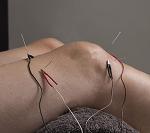
Electroacupuncture is similar to manual acupuncture, but gentle electrical pulses are passed between pairs of needles. This method can be more comfortable and often more effective than strong manual needle manipulation.
It is particularly useful for conditions involving stagnation or chronic pain, or when the body’s energy is difficult to stimulate. Several pairs of needles may be used at once, usually for no more than 30 minutes.
Massage
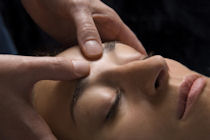
Massage can help relax tense muscles, stimulate specific meridians and enhance the effects of acupuncture. Applying pressure to a point before needling can make the sensation more comfortable and improve treatment outcomes.
Cupping
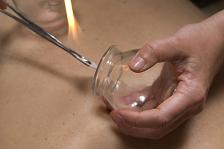
Cupping uses suction to draw the skin and underlying tissues upwards. It is used to relieve stagnation and is often helpful for respiratory conditions such as colds, bronchitis and pneumonia, as well as back, neck, shoulder and other muscular pain.
Cupping can leave temporary marks on the skin for several days.
Conditions Treated
Acupuncture within the framework of Traditional Chinese Medicine is a complete system of medicine and can be used to treat a wide range of conditions. The list below is not exhaustive, but gives an idea of the types of problems commonly seen in clinic.
- Addiction
- Ankle sprains
- Anxiety
- Arthritis
- Asthma
- Back pain or weakness
- Bell’s palsy
- Constipation
- Depression
- Digestive disorders
- Facial paralysis
- Femoral adductors syndrome
- Fibrositis
- Hay fever
- Headaches
- High blood pressure
- Indeterminate aches and pains
- Induction of labour
- Infertility
- Insomnia
- Knee pain
- ME / chronic fatigue
- Menstrual problems
- Migraines
- Morning sickness
- Pain relief
- Plantar fasciitis
- Poor circulation
- Psychological disorders
- Rheumatism
- Rotator cuff injuries
- Sciatica
- Shin splints / Achilles pain
- Skin conditions
- Tendinitis / bursitis
- Tennis elbow / wrist strain
- Tiredness
- Ulcers
- Urinary problems
If your condition is not listed, please contact the clinic for a free ten‑minute discussion to see whether acupuncture may be helpful.